ADHD and Emotional Dysregulation: When Feelings Hit Different

For the ones who've been told they're too sensitive for as long as they can remember.

For the ones whose emotions arrive at full volume, without warning, and don't respond to the instruction to calm down.

For the ones who didn't know ADHD did this until they were already deep in it.


The Feature Nobody Mentions

When ADHD gets described — in diagnosis, in media, in the clinical shorthand most people encounter — the focus is typically on attention, hyperactivity, and impulsivity. The attention piece. The movement piece.

What gets significantly less attention: the emotional piece. The fact that ADHD is associated with emotional experiences that are more intense, arrive faster, and are harder to regulate than neurotypical emotional processing. The fact that for many people with ADHD, the emotional dysregulation is as impairing — or more impairing — than the attention difficulties.

This isn't in the official DSM criteria for ADHD, which is part of why it gets underemphasized. But researchers and clinicians who work specifically with ADHD have consistently identified emotional dysregulation as a core feature of the condition, not a secondary symptom.


What Emotional Dysregulation Is in ADHD

Dysregulation doesn't mean feeling emotions. Everyone feels emotions. It means the regulation of those emotions — the process of moving from emotional activation back to baseline — works differently.

In ADHD, emotional experiences:

Arrive faster. The gap between trigger and emotional response is compressed. There isn't always time for the executive function that would normally moderate the response before the response happens.

Are more intense. The same situation that generates mild frustration for one person generates acute frustration for a person with ADHD. The same disappointment. The same excitement. Everything at higher amplitude.

Take longer to resolve. The return to baseline is slower. An emotion that should pass in minutes persists for an hour. One that should last an hour can last the rest of the day.

Are harder to redirect voluntarily. "Just calm down" doesn't work not because the person isn't trying, but because the executive function that would execute that instruction is the same executive function that's impaired in ADHD. The instruction is sound. The mechanism that would carry it out is the one that doesn't work the same way.


Rejection Sensitive Dysphoria

Rejection Sensitive Dysphoria (RSD) is the specific emotional experience of intense, acute pain in response to perceived or actual rejection, criticism, or failure to meet expectations — their own or others'.

RSD is not a formal DSM diagnosis, but it's consistently identified by ADHD researchers including Dr. William Dodson as one of the most impairing features of ADHD for many people who experience it.

The response to perceived rejection is disproportionate in intensity to the situation. A critical comment feels devastating. A mild social slight produces what feels like acute grief. The anticipation of rejection — before it has occurred, and sometimes when it doesn't occur at all — produces avoidance, people-pleasing, and perfectionism as protective strategies.

The key word is "perceived." The rejection doesn't have to be real. The nervous system's threat response fires at the possibility.


What It Looks Like Day to Day

Emotional dysregulation in ADHD shows up in patterns most people recognize but don't always connect to ADHD:

Explosive frustration over small things. The paper jam, the slow internet, the small unexpected change in plan — and a reaction that's larger than the situation warrants. The reaction is real. The situation didn't warrant it. Both things are true.

Excitement that takes over. Hyperfocus that starts as enthusiasm and becomes something that crowds out everything else. The inability to modulate how much space a positive emotional state takes up.

Withdrawal after criticism. The ability to shut down completely after feedback that feels too big. Not sulking — the nervous system in a state of recovery from something it experienced as acute.

Difficulty leaving emotional states voluntarily. Being in a mood and not being able to choose to get out of it. Knowing the mood is disproportionate and being unable to change it through will alone.


This Is Not a Character Flaw

The moral interpretation of emotional dysregulation — that the person is immature, dramatic, selfish, or lacks discipline — misidentifies a neurological pattern as a personal failure.

Emotional regulation uses the same executive function systems that ADHD impairs. The difficulty isn't a choice. The impact of it on relationships and on the person's own experience is real. And understanding what it is — a feature of how the nervous system works, not a verdict on the person's character — is the prerequisite for anything that actually helps.


For the ones whose emotions have always arrived louder than the room expected — the volume isn't the problem. It's information about how your system runs. There are ways to work with it. There is no version of "just feel less."


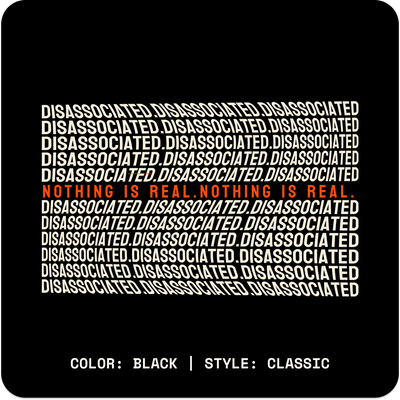
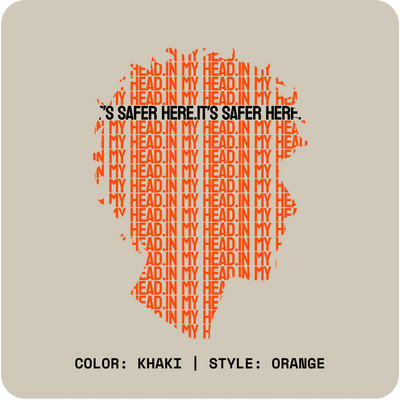
UNINSPIRED makes clothing for the ones whose brains run differently. The ADHD hoodie and the Overstimulated hoodie wear the words. Scan the sleeve.

ADHD and Emotional Dysregulation: When Feelings Hit Different

For the ones who've been told they're too sensitive for as long as they can remember.

For the ones whose emotions arrive at full volume, without warning, and don't respond to the instruction to calm down.

For the ones who didn't know ADHD did this until they were already deep in it.


The Feature Nobody Mentions

When ADHD gets described — in diagnosis, in media, in the clinical shorthand most people encounter — the focus is typically on attention, hyperactivity, and impulsivity. The attention piece. The movement piece.

What gets significantly less attention: the emotional piece. The fact that ADHD is associated with emotional experiences that are more intense, arrive faster, and are harder to regulate than neurotypical emotional processing. The fact that for many people with ADHD, the emotional dysregulation is as impairing — or more impairing — than the attention difficulties.

This isn't in the official DSM criteria for ADHD, which is part of why it gets underemphasized. But researchers and clinicians who work specifically with ADHD have consistently identified emotional dysregulation as a core feature of the condition, not a secondary symptom.


What Emotional Dysregulation Is in ADHD

Dysregulation doesn't mean feeling emotions. Everyone feels emotions. It means the regulation of those emotions — the process of moving from emotional activation back to baseline — works differently.

In ADHD, emotional experiences:

Arrive faster. The gap between trigger and emotional response is compressed. There isn't always time for the executive function that would normally moderate the response before the response happens.

Are more intense. The same situation that generates mild frustration for one person generates acute frustration for a person with ADHD. The same disappointment. The same excitement. Everything at higher amplitude.

Take longer to resolve. The return to baseline is slower. An emotion that should pass in minutes persists for an hour. One that should last an hour can last the rest of the day.

Are harder to redirect voluntarily. "Just calm down" doesn't work not because the person isn't trying, but because the executive function that would execute that instruction is the same executive function that's impaired in ADHD. The instruction is sound. The mechanism that would carry it out is the one that doesn't work the same way.


Rejection Sensitive Dysphoria

Rejection Sensitive Dysphoria (RSD) is the specific emotional experience of intense, acute pain in response to perceived or actual rejection, criticism, or failure to meet expectations — their own or others'.

RSD is not a formal DSM diagnosis, but it's consistently identified by ADHD researchers including Dr. William Dodson as one of the most impairing features of ADHD for many people who experience it.

The response to perceived rejection is disproportionate in intensity to the situation. A critical comment feels devastating. A mild social slight produces what feels like acute grief. The anticipation of rejection — before it has occurred, and sometimes when it doesn't occur at all — produces avoidance, people-pleasing, and perfectionism as protective strategies.

The key word is "perceived." The rejection doesn't have to be real. The nervous system's threat response fires at the possibility.


What It Looks Like Day to Day

Emotional dysregulation in ADHD shows up in patterns most people recognize but don't always connect to ADHD:

Explosive frustration over small things. The paper jam, the slow internet, the small unexpected change in plan — and a reaction that's larger than the situation warrants. The reaction is real. The situation didn't warrant it. Both things are true.

Excitement that takes over. Hyperfocus that starts as enthusiasm and becomes something that crowds out everything else. The inability to modulate how much space a positive emotional state takes up.

Withdrawal after criticism. The ability to shut down completely after feedback that feels too big. Not sulking — the nervous system in a state of recovery from something it experienced as acute.

Difficulty leaving emotional states voluntarily. Being in a mood and not being able to choose to get out of it. Knowing the mood is disproportionate and being unable to change it through will alone.


This Is Not a Character Flaw

The moral interpretation of emotional dysregulation — that the person is immature, dramatic, selfish, or lacks discipline — misidentifies a neurological pattern as a personal failure.

Emotional regulation uses the same executive function systems that ADHD impairs. The difficulty isn't a choice. The impact of it on relationships and on the person's own experience is real. And understanding what it is — a feature of how the nervous system works, not a verdict on the person's character — is the prerequisite for anything that actually helps.


For the ones whose emotions have always arrived louder than the room expected — the volume isn't the problem. It's information about how your system runs. There are ways to work with it. There is no version of "just feel less."


UNINSPIRED makes clothing for the ones whose brains run differently. The ADHD hoodie and the Overstimulated hoodie wear the words. Scan the sleeve.


0 comments

Leave a comment

Please note, comments must be approved before they are published

Favorites

Our most popular looks of the season

Relevant Product